There is something about photographic projects built around repetition that has always appealed to me. Give me a series where the photographer establishes a set of rules, the same format, the same kind of framing, the same distance, the same visual discipline, and then applies those rules consistently to a group of related subjects, and I am immediately interested. I love the process, it feels scientific in its philosophy.
That is probably why I have always enjoyed the work of Bernd and Hilla Becher. Their photographs of industrial structures are remarkably consistent. Gas tanks, water towers, cooling towers, industrial buildings, each subject is photographed with an almost ruthless lack of interference. The architecture is allowed to speak for itself.
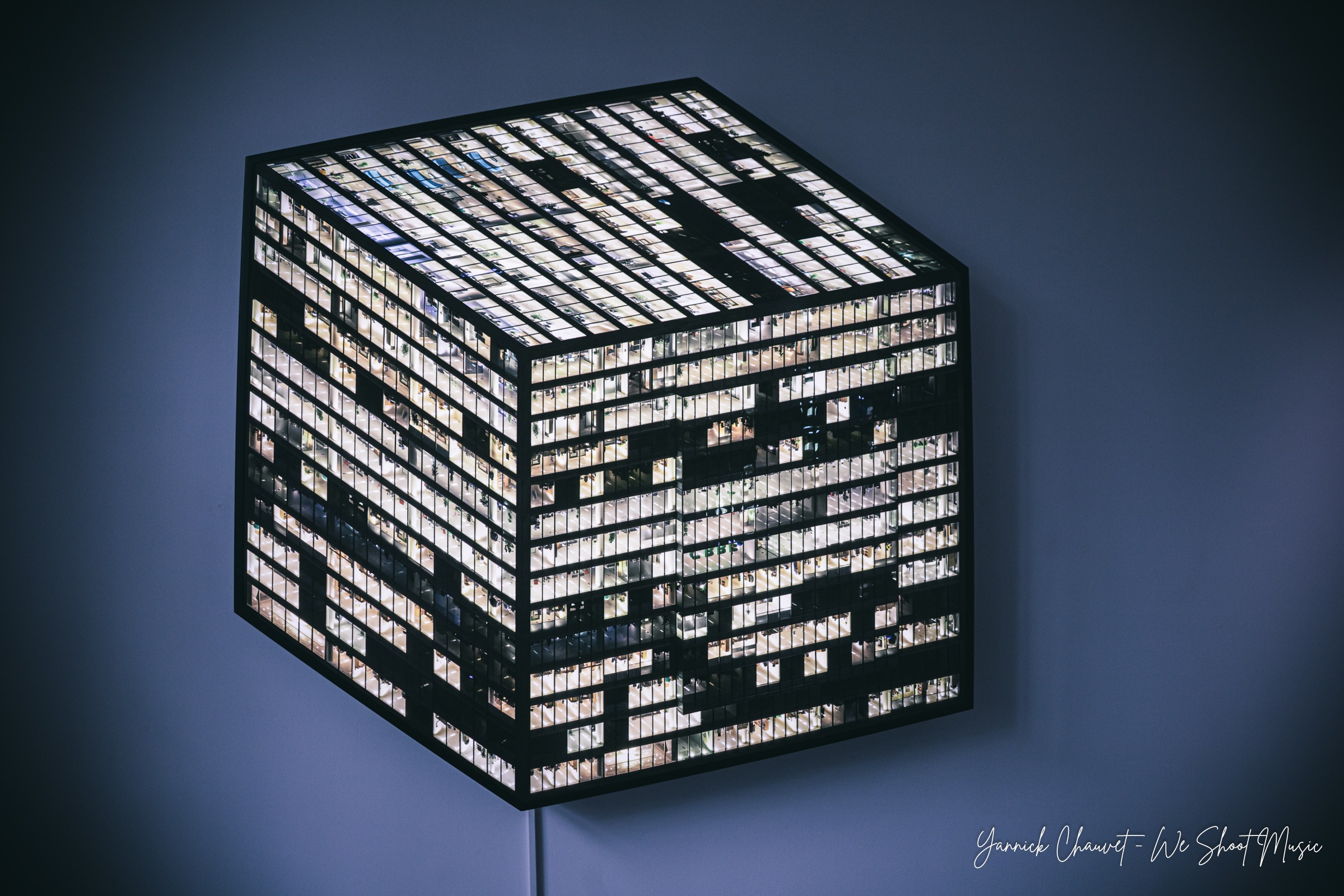
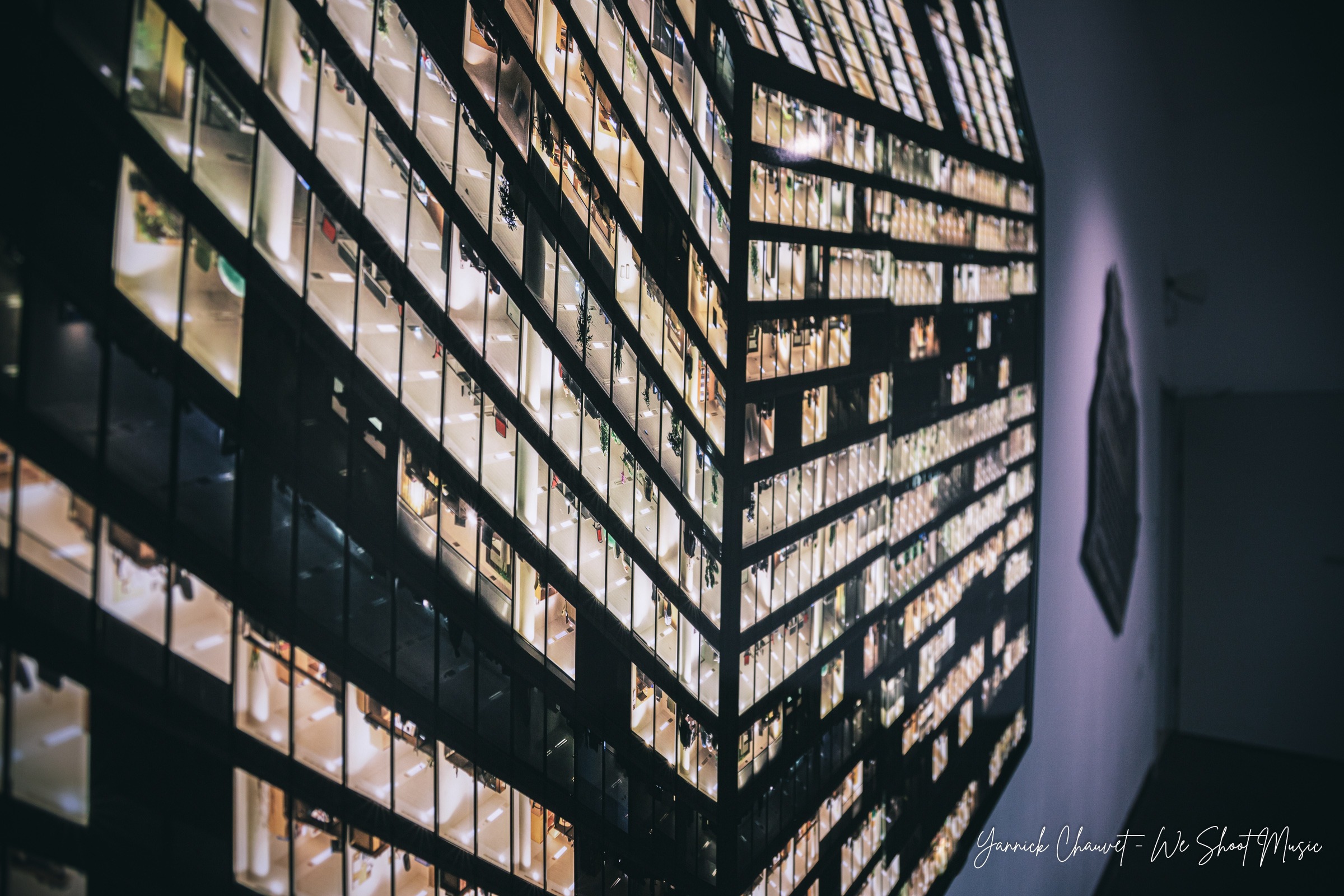
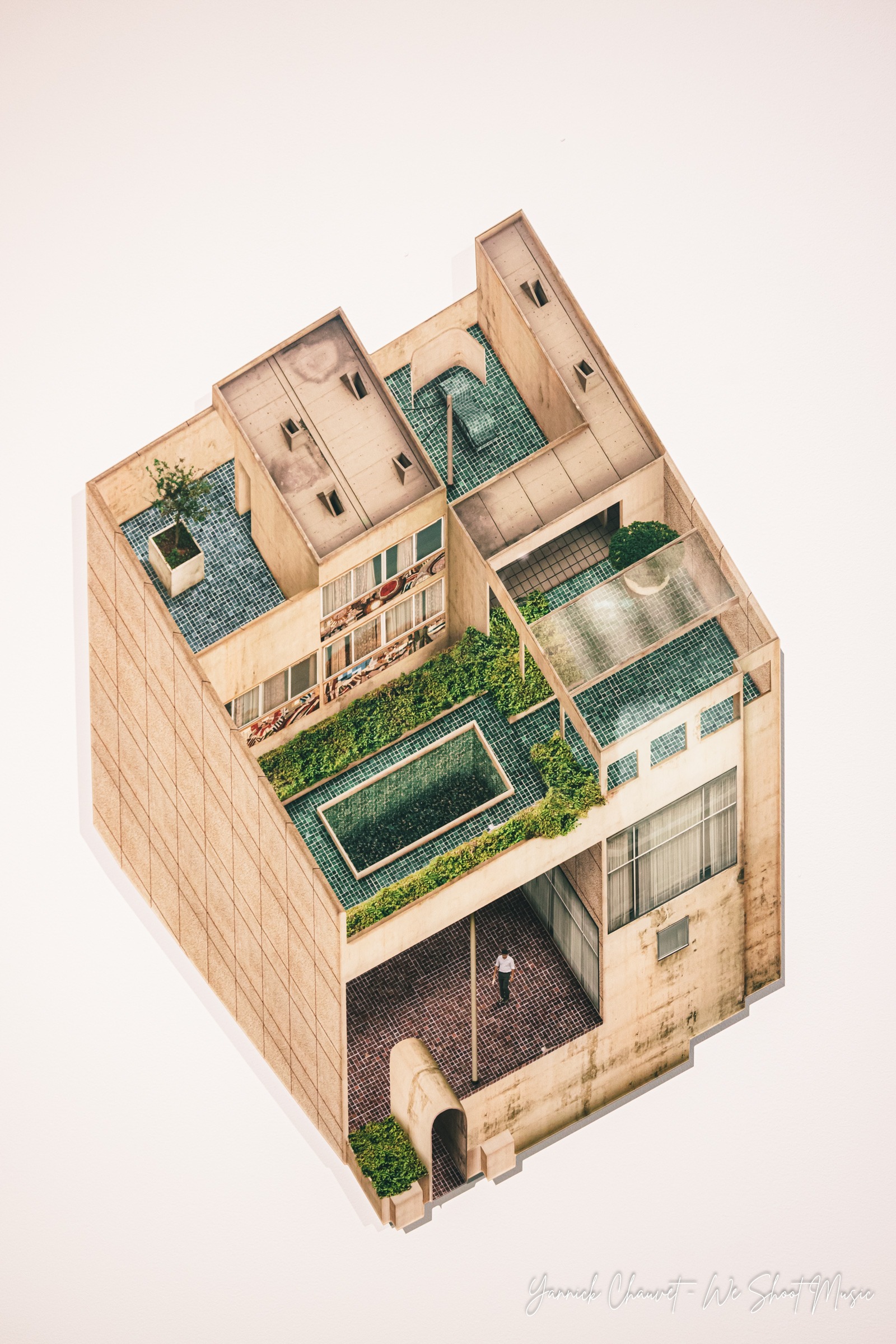
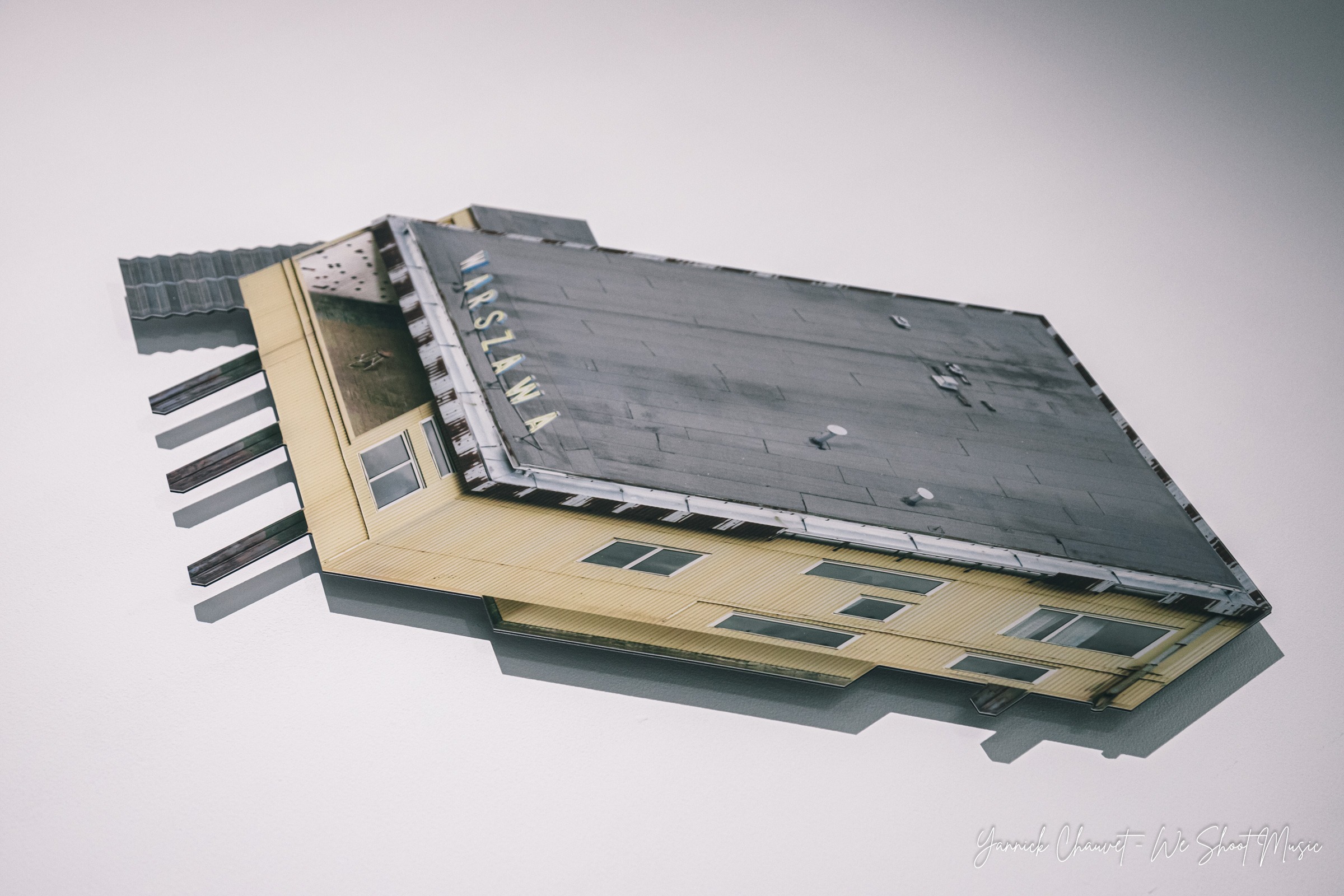
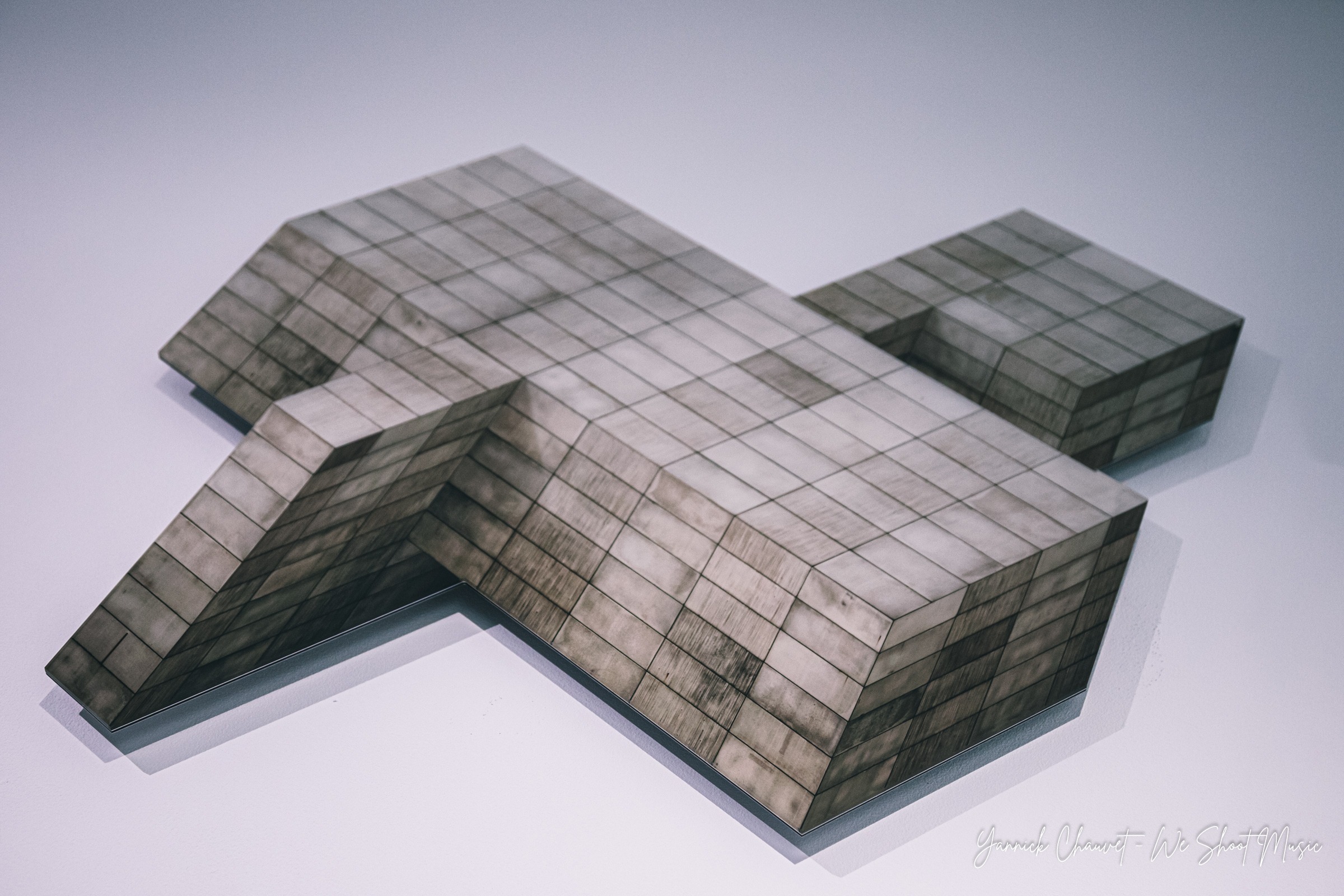
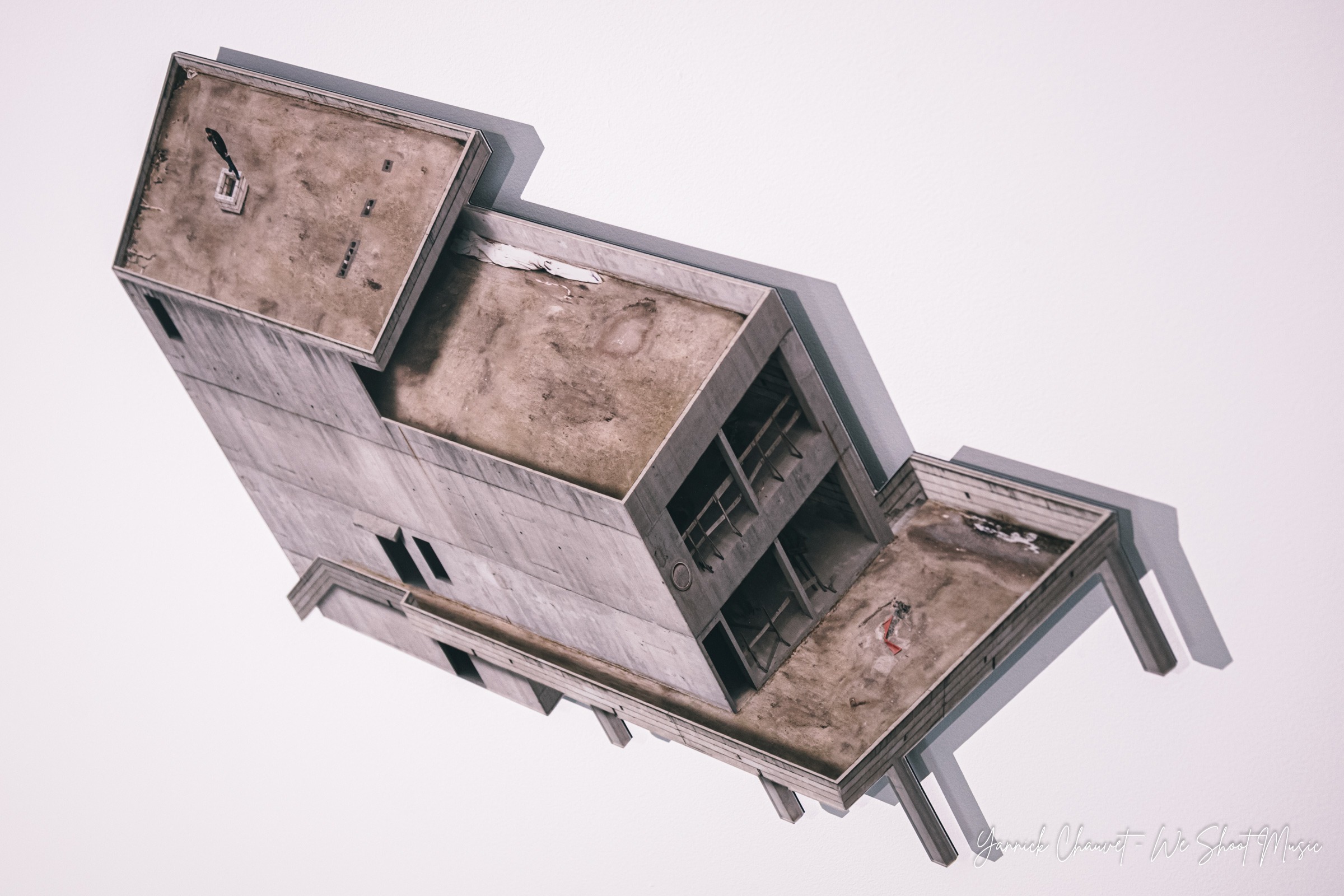
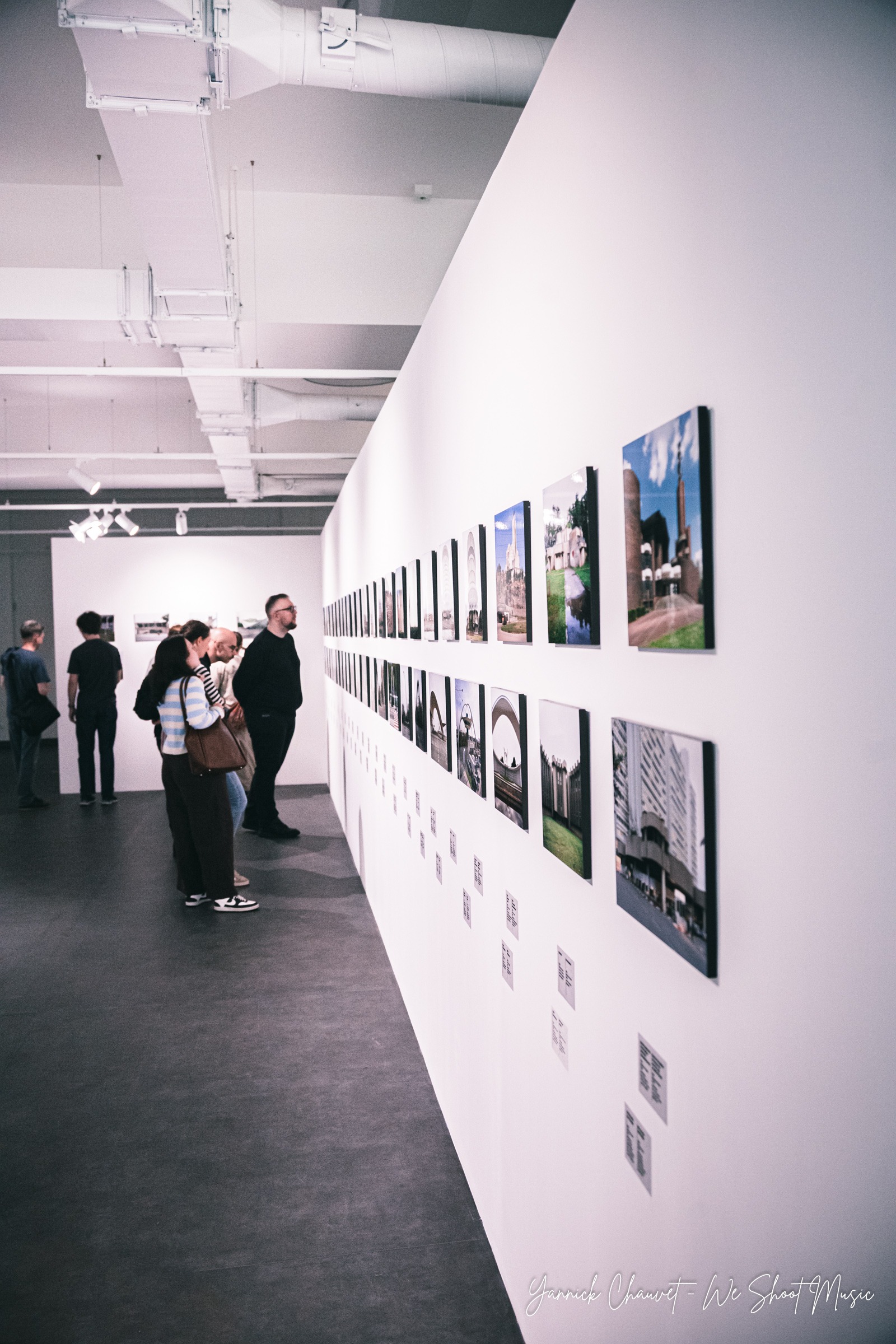
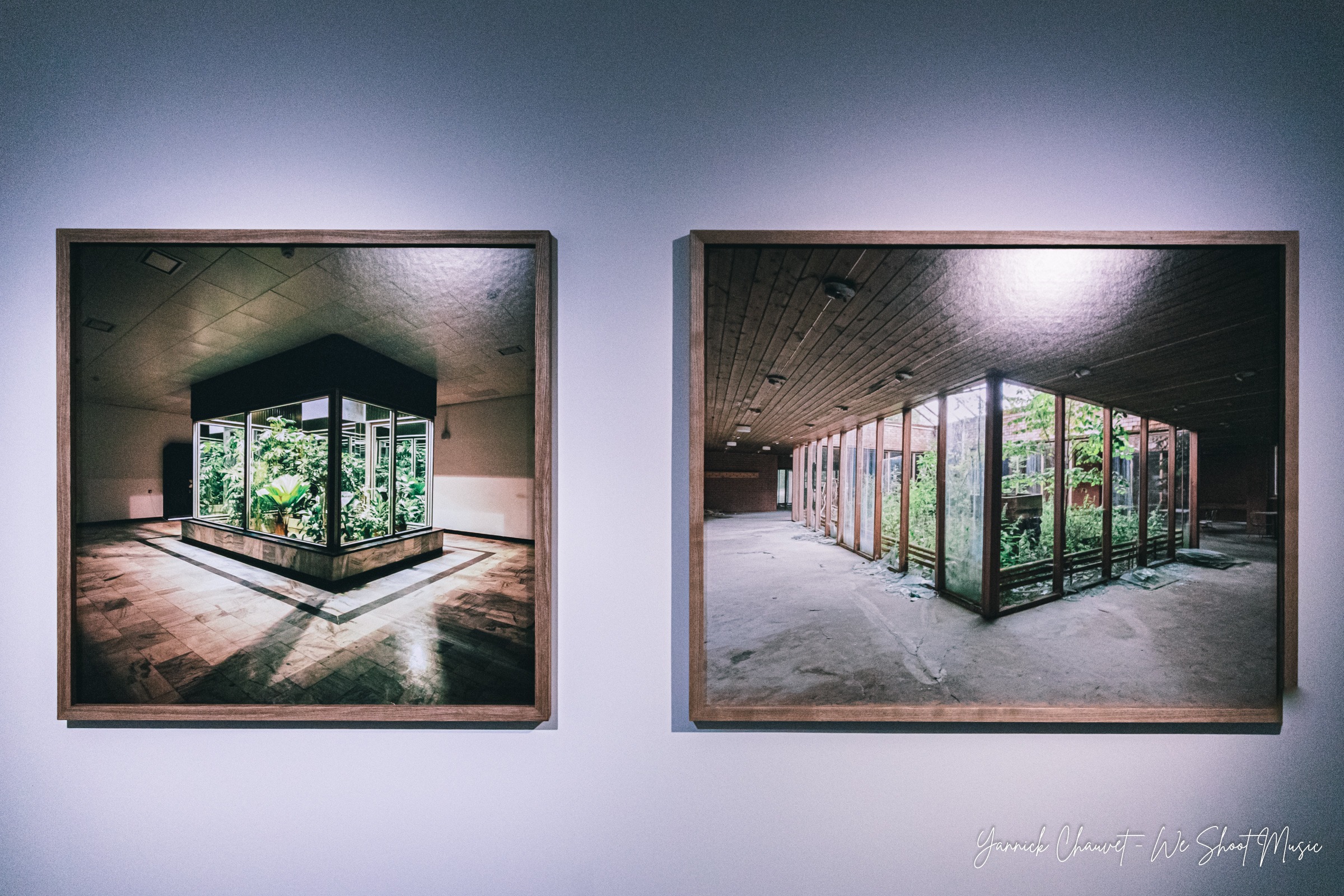
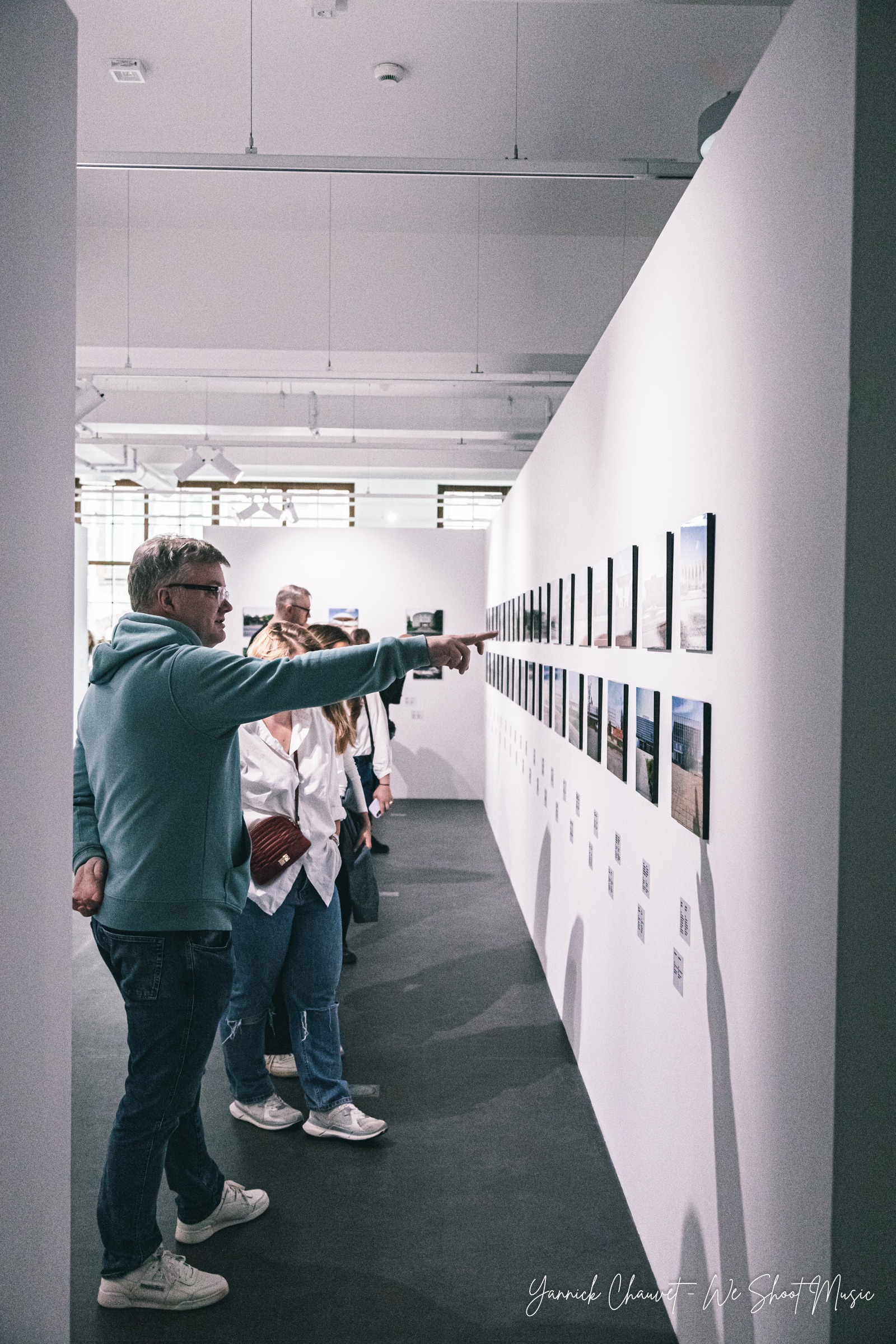
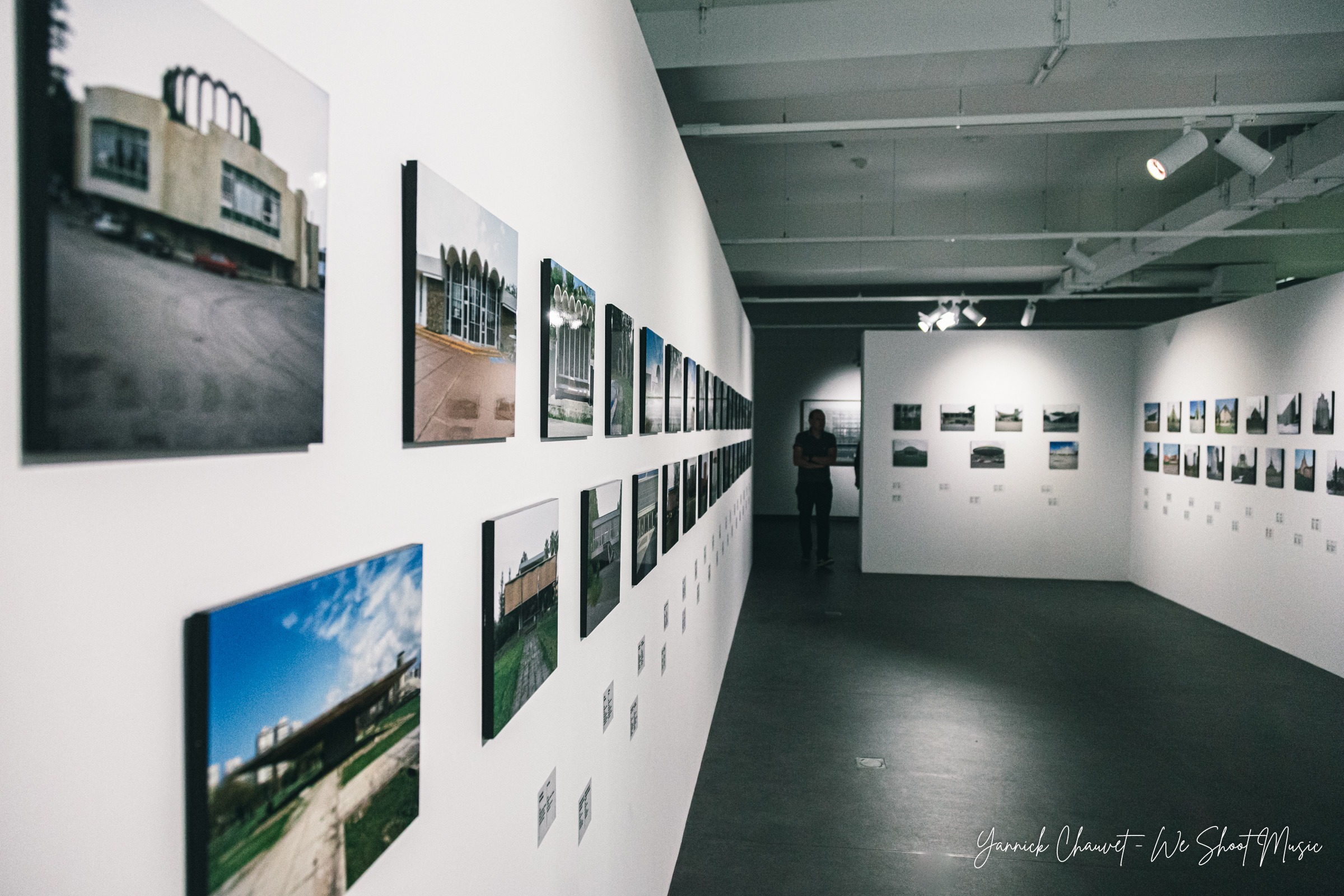
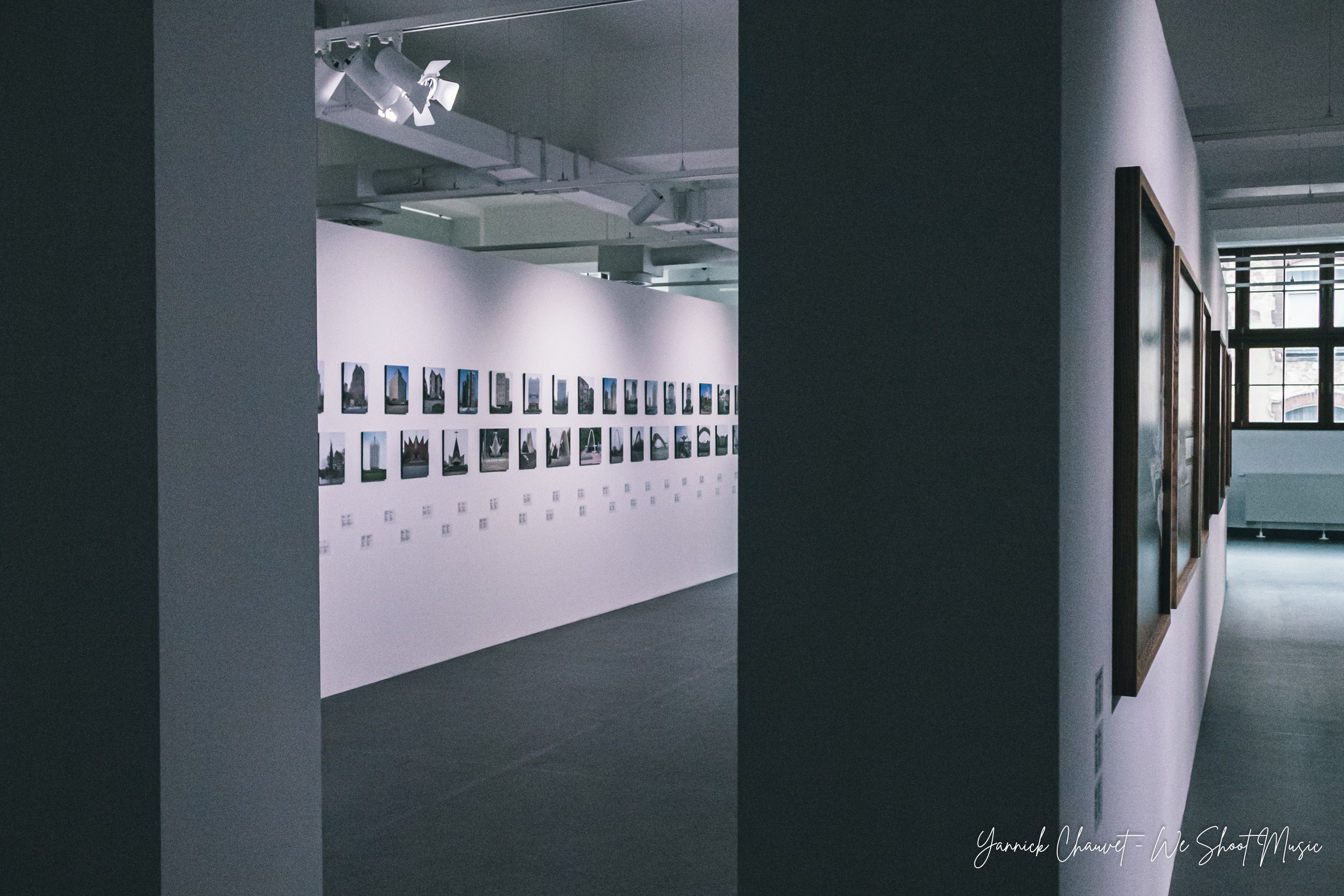
This is what came to mind when I saw Nicolas Grospierre‘s “Modern Forms”, one of the bodies of work presented in “Permacrisis” at the NOMUS – Nowe Muzeum Sztuki in Gdansk
The comparison is not because Grospierre photographs the same kind of objects as the Bechers. He does not. The Bechers built their typologies around families of industrial structures, while Grospierre’s “Modern Forms” looks at modernist architecture across the world. What connects the two for me is not the subject, but the way they look at it. Both turn photography into a kind of study, taking a group of related structures and looking at them again and again until the differences start to matter.
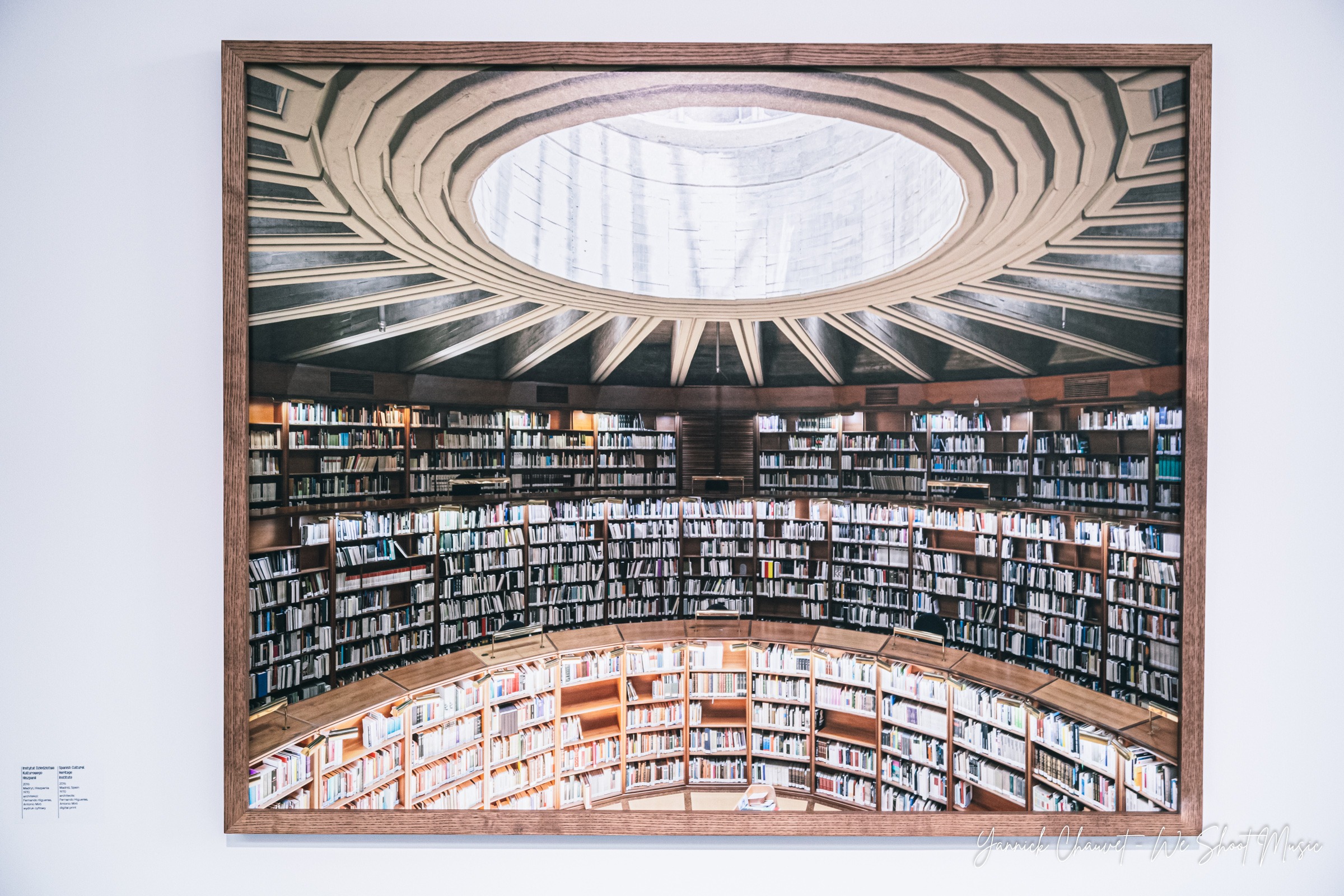
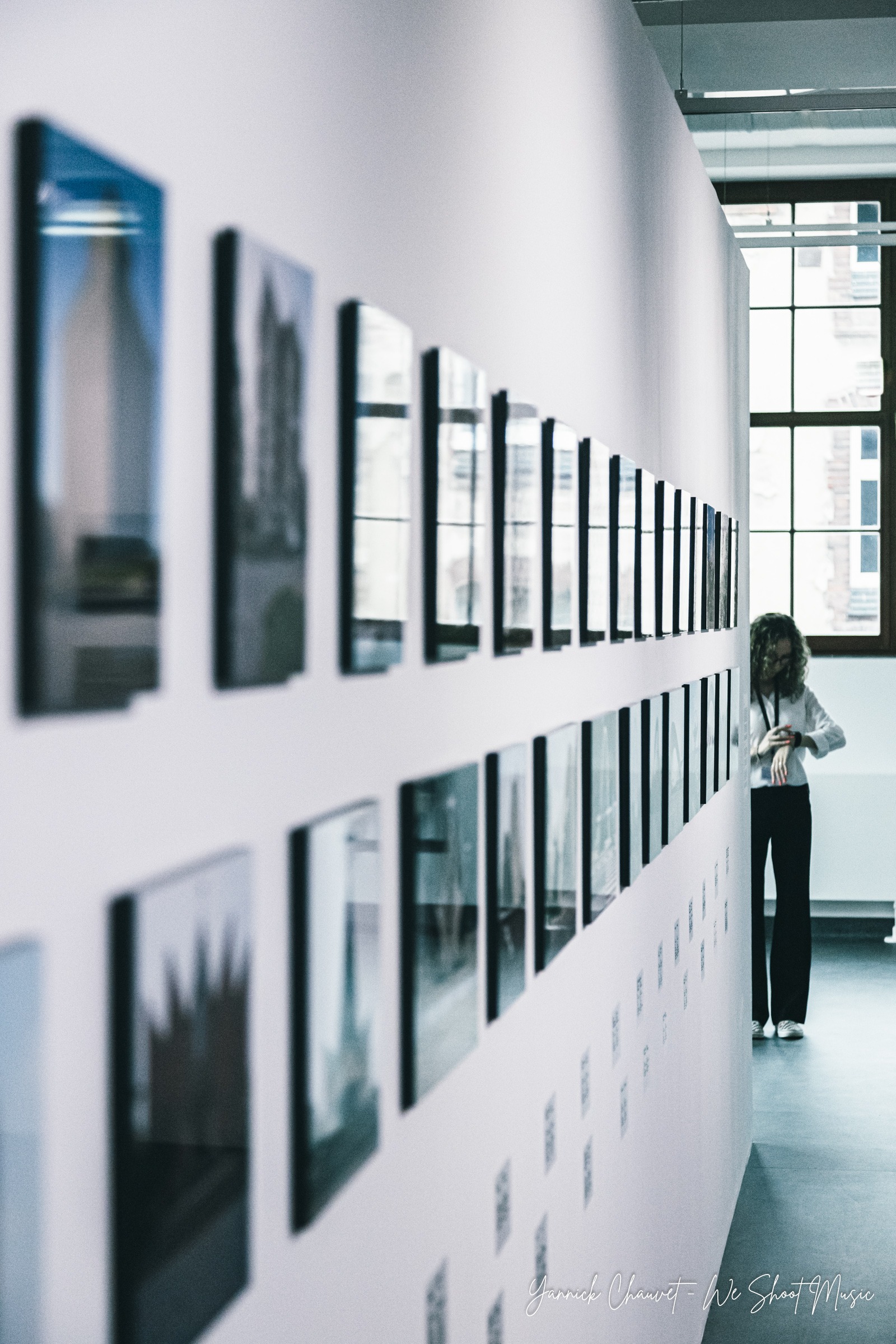
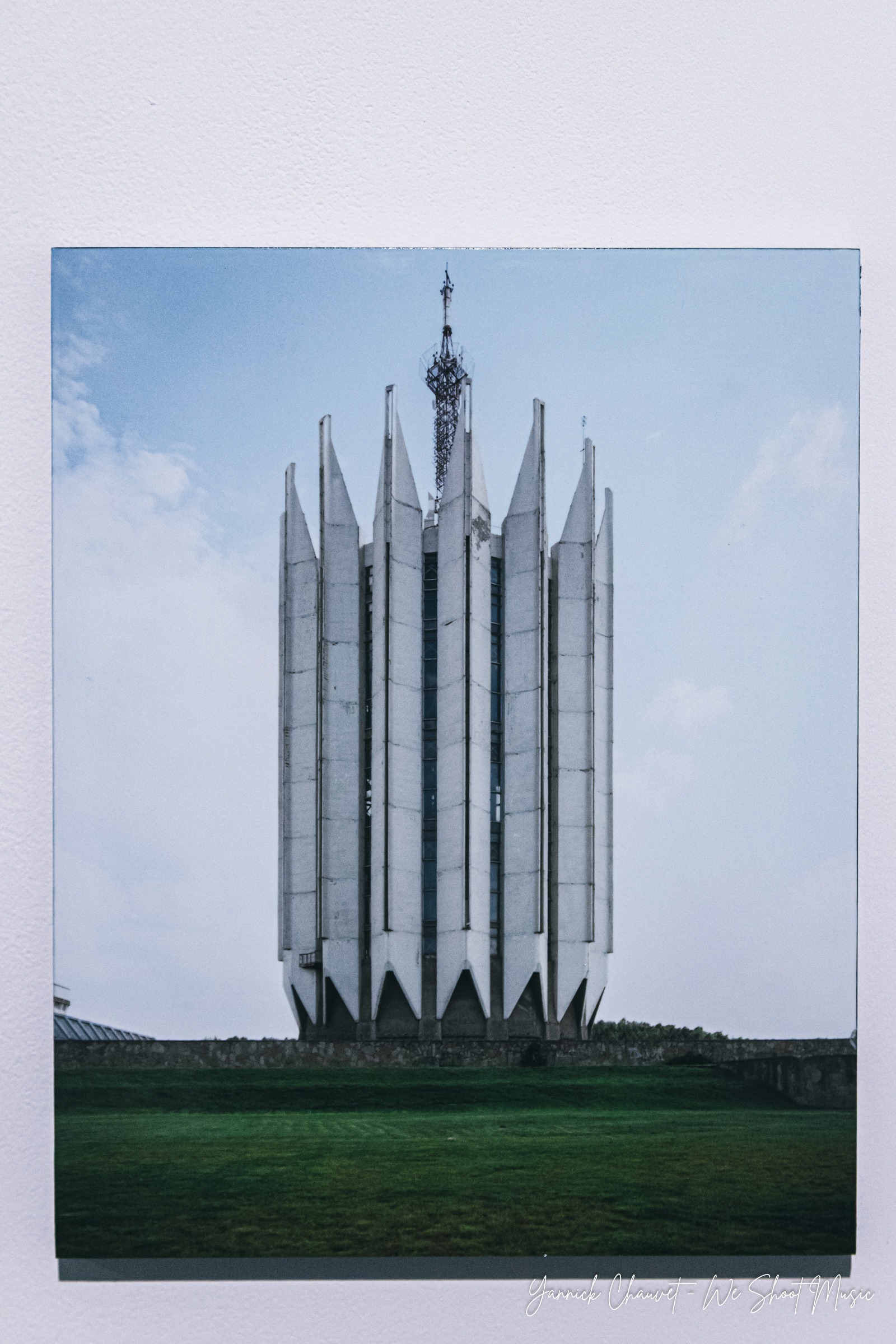
“Modern Forms” is an ongoing photographic project documenting modernist architecture around the world. It eventually became a digital archive and was also published as “Modern Forms: A Subjective Atlas Of 20th Century Architecture” in 2016. Grospierre’s archive brings together buildings constructed between 1920 and 1989, from Europe and the former Soviet bloc to the Americas, the Middle East, North Africa and Asia. What makes the project particularly interesting is that the buildings are not classified primarily by architect, country or function, but by their visual forms.
The buildings are presented with a remarkable consistency, creating the feeling that you are not looking at a collection of individual photographs, but at samples in a much larger investigation. One building leads to another. One form echoes another. Something that appears unique in one photograph suddenly reveals itself as part of a much larger architectural language.
This is where I start seeing Grospierre almost like a researcher. He sets the rules and then gets out of the way. He looks at what is in front of him and lets the architecture do the work.
You start comparing them, noticing recurring shapes, proportions, structures and details, beginning to see how similar architectural ideas appeared in completely different countries and political systems. But the more you look, the more you also notice the differences, the courage of some designs, the innovation, the uniqueness of certain buildings. What initially appears to be a collection of similar forms gradually reveals an extraordinary variety of architectural solutions.
About Nicolas Grospierre
Nicolas Grospierre was born in Geneva in 1975 and has lived and worked in Warsaw since 1999. He studied political science at the Institut d’Études Politiques in Paris, followed by sociology and economics at the London School of Economics, before turning to photography. His practice is centred largely on architecture, particularly the legacy of modernism and the relationship between architecture, collective memory, social ideas and visions of the future.
His work moves between documentary photography and conceptual practice, and architecture remains a recurring starting point. He has produced numerous photographic series, including “Modern Forms”, “Modern Spaces”, “Lithuanian Bus Stops”, “Kolorobloki”, “The Bank”, “The Glass Trap” and “LCAXN”. His work has also increasingly incorporated photomontage, digital processes and other forms of experimentation.
In 2008, Grospierre and Kobas Laksa received the Golden Lion at the Venice Architecture Biennale for “Hotel Polonia: The Afterlife Of Buildings”. In 2011, he received the Paszport Polityki award in visual arts.